





Spot the risks.
Before you sign them.
Sigi scans contracts and flags legal and business risks by severity. Scans run every 30 minutes; risks resolve on fix.
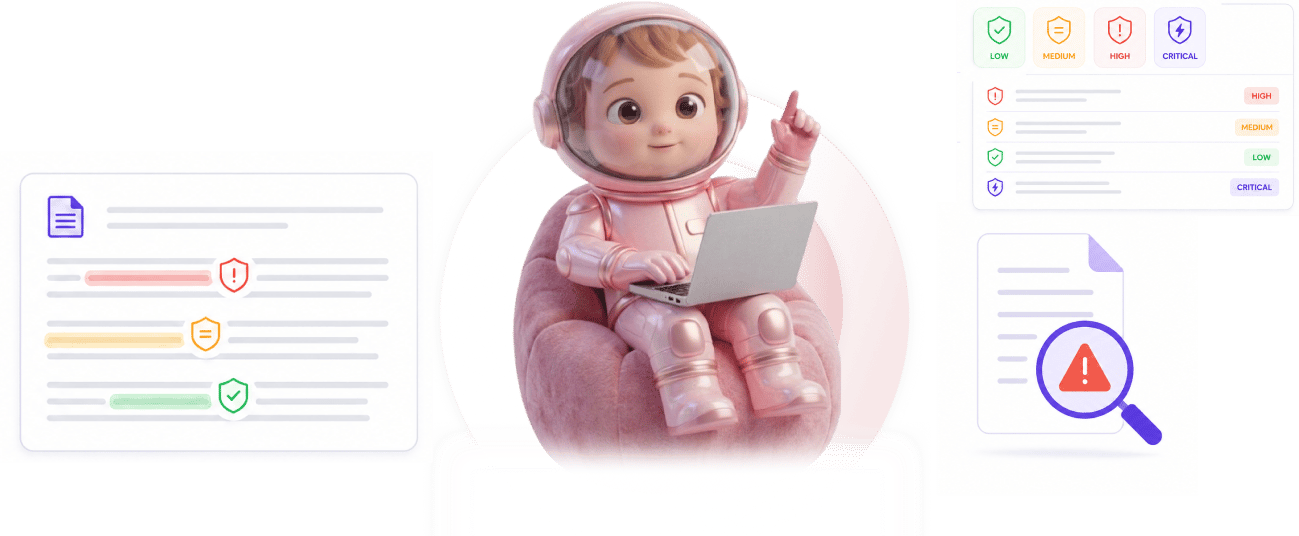
From contract text to ranked risks in 4 steps
Sigi scans the contract, flags legal and business risks by severity, and auto resolves when fixed.
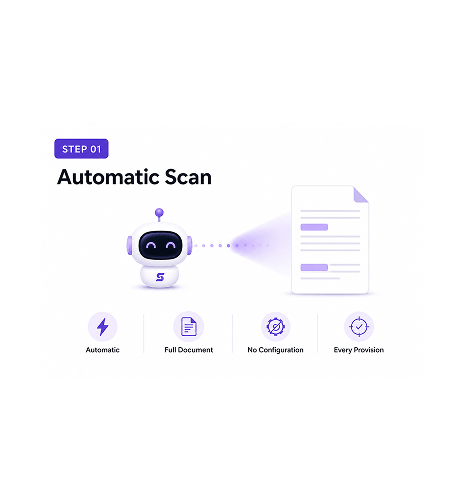
Automatic Scan
Sigi scans the full contract text
The moment a contract enters the platform, Sigi scans it automatically. No configuration, no clause selection. The full document gets read, and risk detection runs over every provision.
- Automatic
- Full Document
- No Configuration
- Every Provision
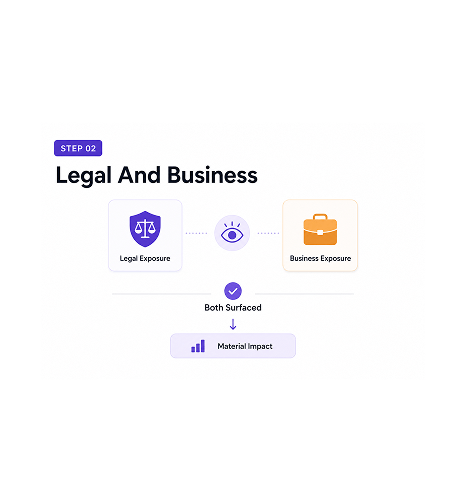
Legal And Business
Risks identified across both categories
Legal risks include unlimited liability, missing limitations, asymmetric indemnification, vague IP assignment. Business risks include bad payment terms and renewal traps. Both surface because both cost the team.
- Legal Exposure
- Business Exposure
- Both Surfaced
- Material Impact
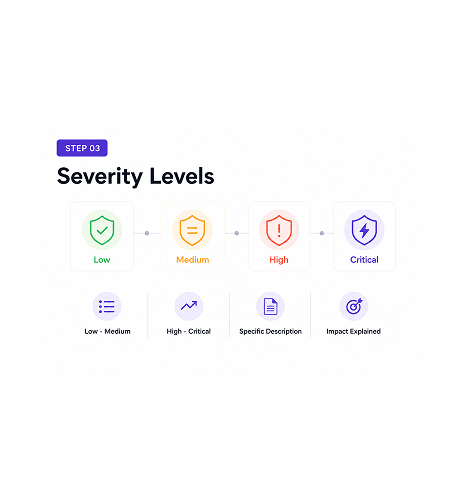
Severity Levels
Severity assigned from low to critical
Every risk gets a severity level: low, medium, high, or critical. Each comes with a description explaining what the risk is, why it matters, and the potential impact. Severity shows at a glance, detail on demand.
- Low · Medium
- High · Critical
- Specific Description
- Impact Explained
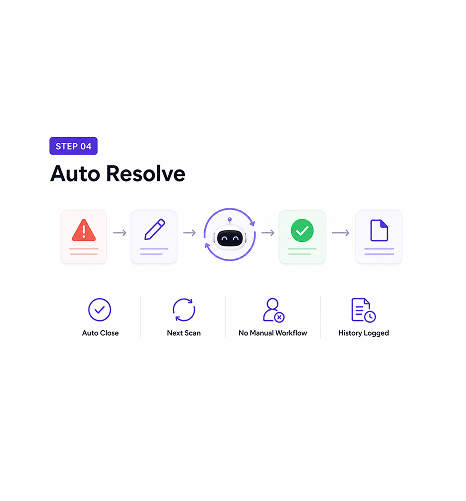
Auto Resolve
Risks auto resolve once the clause is fixed
When the team edits the clause that triggered a risk, the next scan picks up the change and auto resolves it. No manual close out, no orphan flags. The team sees only the risks that still exist; resolved ones move to history.
- Auto Close
- Next Scan
- No Manual Workflow
- History Logged
Six reasons contract risks stop being a surprise
Automatic scanning, legal and business risk categories, four severity levels, a 30 minute scan cycle, and auto resolution.

Catches risks before they cost you something
An unlimited liability clause caught after signature is exposure you live with. Caught before, it is a redline conversation at zero cost.

Severity levels tell the team where to spend time
A list of risks with no ranking forces manual triage. Four severity levels do it automatically. Critical and high get worked first.

Legal and business risks both surfaced
Legal review focuses on legal risk. But bad payment terms, delivery commitments, and renewal traps hurt the business too. Sigi surfaces both.

Specific descriptions, not vague warnings
"This contract has risks" is not actionable. "Section 7.2 liability cap of $50,000 is critically low" is. Specific descriptions tell you why.

Background scans every 30 minutes
Contracts go through multiple revisions. The 30 minute background scan picks up every edit and re evaluates the risk picture. No stale flags.

Risks auto resolve when fixed
The team should not manually close risks already addressed. Auto resolution on the next scan keeps the list current, showing only open work.
Catches risks before they cost you something
An unlimited liability clause caught after signature is exposure you live with. Caught before, it is a redline conversation at zero cost.
Severity levels tell the team where to spend time
A list of risks with no ranking forces manual triage. Four severity levels do it automatically. Critical and high get worked first.
Legal and business risks both surfaced
Legal review focuses on legal risk. But bad payment terms, delivery commitments, and renewal traps hurt the business too. Sigi surfaces both.
Specific descriptions, not vague warnings
"This contract has risks" is not actionable. "Section 7.2 liability cap of $50,000 is critically low" is. Specific descriptions tell you why.
Background scans every 30 minutes
Contracts go through multiple revisions. The 30 minute background scan picks up every edit and re evaluates the risk picture. No stale flags.
Risks auto resolve when fixed
The team should not manually close risks already addressed. Auto resolution on the next scan keeps the list current, showing only open work.




8800+
Teams catching contract risks before signature, not after
Built for teams who refuse to sign a contract without knowing where the exposure sits
In house counsel screening high contract volumes for material exposure. Founders signing without legal review who need a safety net. Procurement verifying vendor terms.
Levels
Min Scans
Resolve
Business
Scans every contract, flags risks with severity
Sigi scans the full contract text automatically and flags both legal and business risks. Four severity levels get assigned from low to critical with descriptions explaining what each risk is and why it matters.
Everything the risk layer ships with
Automatic scanning, legal and business risk identification, four level severity, 30 minute scan cycle, auto resolve on fix.

Automatic Contract Text Scanning
Every contract gets scanned automatically. No configuration, no clause selection. The full document gets read and risk detection runs over every provision.

Legal Risk Identification
Unlimited liability, missing limitations, asymmetric indemnification, vague IP assignment, bad warranties. Risks that cost money.

Business Risk Identification
Bad payment terms, delivery commitments, non competes, renewal traps, exclusivity. Business risk surfaced alongside legal risk.

Four Level Severity Assignment
Every risk gets a severity level: low, medium, high, or critical for must fix before signature. The ranking shows where to start.

Background Scans Every 30 Minutes
Contracts go through revisions. The background scan runs every 30 minutes to pick up edits and re evaluate risk. Always current.

Auto Resolve On Completion
When the team edits the clause that triggered a risk, the next scan auto resolves it. No close out workflow, no orphan flags.
Everything you need to know
Questions about risks, severity levels, legal versus business risk, and the scan cycle.
Sigi drafts, sends, and gets it signed without the chasing.
Turn a contract into a signed, audited document in minutes while AI flags risky clauses before they reach your signer.
- 5 min
- average time to signed
- 0
- risky clauses missed
- 100%
- documents with audit trail
- 6
- signing workflows supported